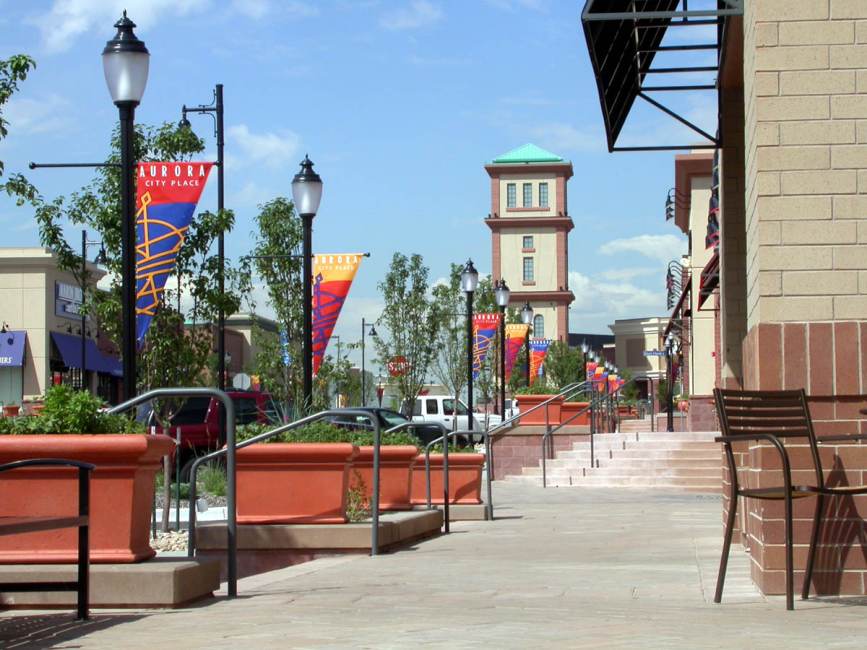
Nestled in northeastern Illinois, Aurora stands as the state’s second-largest city, with a population exceeding 180,000, sprawling across Kane, DuPage, Kendall, and Will counties. Often called the “City of Lights,” it earned this moniker in 1881 when it became one of the first U.S. cities to illuminate its streets with electric lights, a pioneering feat powered by the Fox River’s hydroelectric potential. The city’s origins trace back to 1834, when brothers Joseph and Samuel McCarty from New York established a settlement on the river’s west bank, initially naming it McCarty’s Mills after their gristmill. By 1837, the east bank developed under Lake brothers, leading to a merger in 1857 that unified the town as Aurora, inspired by the Roman goddess of dawn. Early growth was fueled by agriculture, milling, and the arrival of the Chicago, Burlington and Quincy Railroad in the 1850s, transforming it into a manufacturing hub for carriages, furniture, and later, heavy machinery. Immigrants from Germany, Ireland, and Scandinavia flocked here, enriching its cultural fabric. The late 19th century saw industrial booms, with companies like the Aurora Corset Company and Chicago Corset Company thriving, alongside the establishment of the Aurora Silver Plate Manufacturing Company. The Great Depression hit hard, but post-World War II suburban expansion and diversification into tech and services revitalized it. Today, Aurora blends its industrial past with modern innovation, hosting firms in healthcare, education, and entertainment.
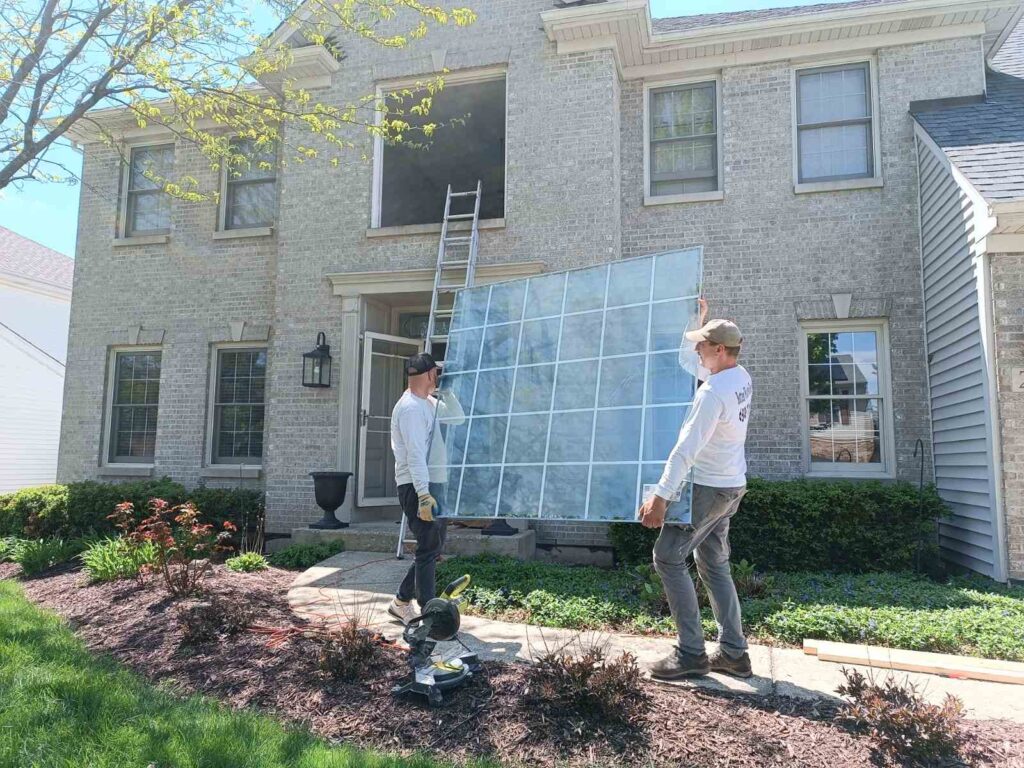
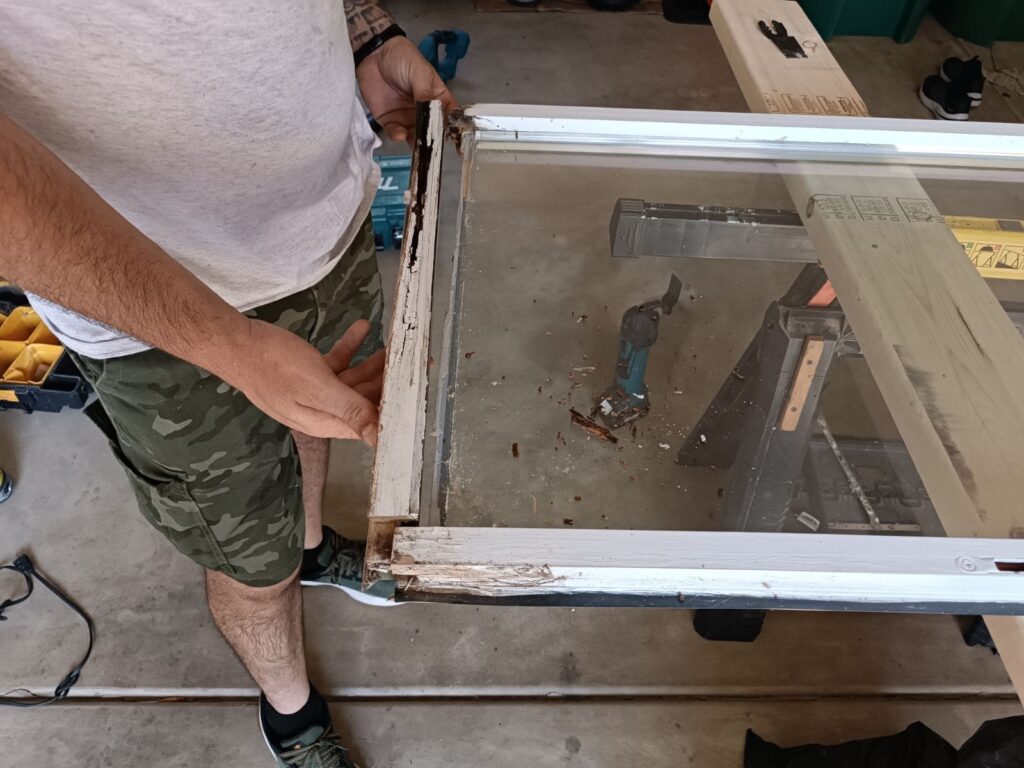
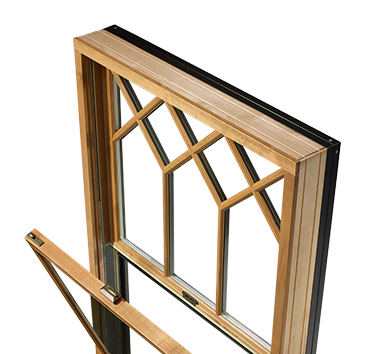
Preserving Aurora’s heritage is key to its charm, evident in historic districts like the Near East Side and Riddle Highlands, where Victorian, Queen Anne, and Craftsman-style homes line tree-shaded streets. Restoration projects often involve specialized work, such as wood window repair to mend antique frames, repair wooden window frames for operable sashes, and fix wooden window frame rot to eradicate decay from years of exposure. These efforts maintain the authenticity of landmarks like the Grand Army of the Republic Hall, built in 1878 as a memorial for Civil War veterans, now a museum showcasing artifacts and hosting events.
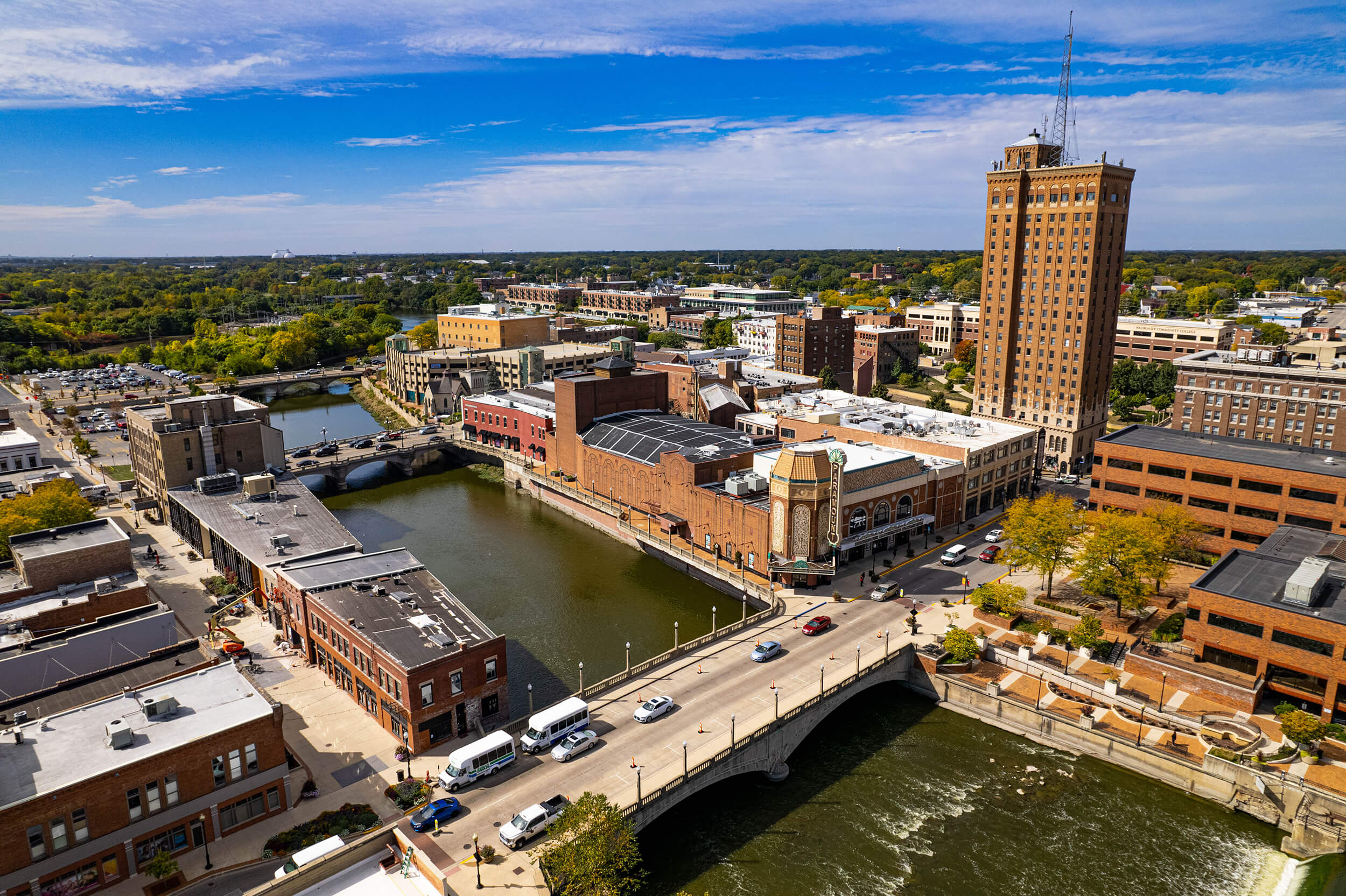
Among top attractions, the Paramount Theatre steals the show. This 1931 Art Deco masterpiece, restored to its golden-era glory, seats nearly 1,900 and hosts Broadway tours, concerts, and films. Its lavish interior, with crystal chandeliers and murals, evokes old Hollywood glamour. Adjacent, the RiverEdge Park amphitheater along the Fox River offers outdoor music festivals, drawing crowds for blues and rock events. The Fox River itself is a recreational gem, with trails for biking, kayaking, and fishing, plus the scenic Fox Valley Park District. Don’t miss the Hollywood Casino Aurora, a riverside gaming and dining spot with slots, tables, and live entertainment. For families, Phillips Park Zoo, established in 1915, features free admission to view animals like wolves, elk, and reptiles amid sunken gardens and a mastodon exhibit. The SciTech Hands On Museum sparks curiosity with interactive STEM displays on physics, biology, and space. Art enthusiasts flock to the Aurora Public Art Commission’s installations, including murals and sculptures downtown. The Sri Venkateswara Swami Temple, a stunning Hindu architectural marvel, provides cultural immersion with intricate carvings and festivals. Aurora’s Stolp Island, a historic district with shops and eateries, buzzes with events like the First Fridays art walk.
From its pioneer mills to electric innovations, Aurora captivates with history and vitality, making it a dynamic destination near Chicago.
How we work

Inspection

Diagnosis

Repair

Warranty
Contact Us
Professional window repair, restoration & replacement in Geneva
Reviews of our Services


Lucie Ziebicki
I am so impressed with the team that came to replace my window. Not only was the workmanship superb—leaving me with what looks like a brand-new window—but the two gentlemen were incredibly polite and respectful. They even took off their shoes without me asking, which shows a real respect for your client's home. A fantastic experience all around!
21 October, 2025
Chicago
Bob Browne
Window Quality Works has been our trusted partner for three separate projects over the years. Simply put, they do amazing work. They've restored a variety of our wooden windows to look and function like new, and now they stand strong against Chicago's tough weather. Beyond the impeccable quality, they are a pleasure to work with—excellent communicators, efficient, and they always leave the workspace spotless. You can't ask for more.
18 September, 2011
Chicago
Lia Sampara
I had a couple of wooden windows with significant rot damage. WindowQW provided a fast estimate and then performed a beautiful restoration and repair. The results speak for themselves—I'm very satisfied with how they turned out!
15 September, 2025
Nappervile
Erika Zubkovska
I had a serious issue with rotted wooden sashes and sills. The team replaced them with new ones, and then carefully sealed and painted everything to ensure long-lasting durability. The pricing was reasonable, the estimate was fast, and the service was highly effective. They truly did an amazing job and gave me complete peace of mind!
29 August, 2020
Aurora
Chris McGrath
These guys were a lifesaver when we needed to get our windows fixed quickly before selling our house. They responded immediately, came out, and fixed everything in just one day. The price was more than reasonable for such prompt and quality service. Thanks again for your help!
8 August, 2025
Plainfield
Diego E
I contacted them for an estimate on my historic wooden windows, and the results exceeded all expectations. They didn't just give me a quote; they conducted a meticulous assessment of each window and offered thoughtful solutions. The care they took in restoring the sashes and sills was evident. My windows now operate smoothly and look beautiful. It's refreshing to find a company that still takes such pride in their work.
15 July, 2025
Aurora
Anastasiia Vatsyk
My search for a reliable sash repair company ended with WindowQW. From the beginning, they were transparent, walking me through the entire process and clearly explaining what could be salvaged versus what needed replacement. True to their word, they stuck to the agreed timeline and budget. They replaced rotting sills, freed up stuck sashes, and even upgraded the old ropes and pulleys. I'm thoroughly impressed and highly recommend them!
8 July, 2025
Nappervile
David Langowski
They See What Others Miss. Trustworthy and Skilled.
We had a few Pella windows with bad rot. The team didn't just fix what we pointed out; they did a full inspection and identified a couple of other issues we had missed. This is the second time we've used them, and once again, they did a fantastic job. They are highly recommended for their honesty and expertise.
26 July, 2025
St. Charles
Paul Wysh
I hired Window Quality Works to handle window replacements and rot repair on two of my Chicagoland properties. They did a thorough and efficient job, working quickly without sacrificing quality. I was very satisfied with their work and will highly recommend them to other property owners. I look forward to working with them again in the future.
6 May, 2025
Joliet