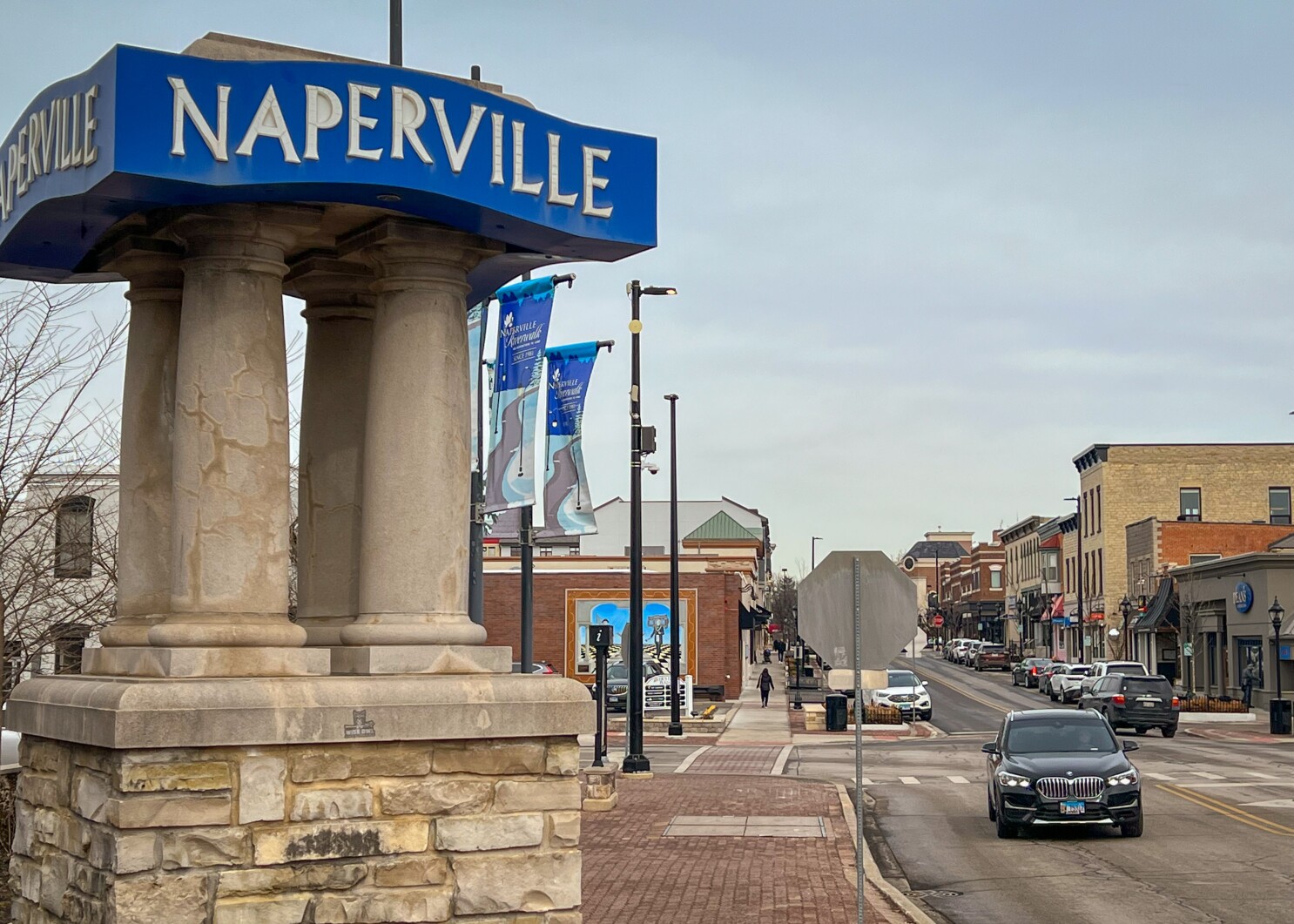
Nestled in the heart of Illinois, about 28 miles west of Chicago, Naperville stands as a vibrant suburb blending rich history with modern charm. Founded in 1831 by Captain Joseph Naper, who arrived with his family and friends along the banks of the DuPage River, the settlement initially bore the name Naper’s Settlement. Naper, a seafaring entrepreneur from Ohio, envisioned a thriving community at the crossroads of key stagecoach routes connecting Chicago to Galena and Ottawa. By 1842, he had drawn the first plat map, and in 1857, the village was officially incorporated with a population of around 2,000 residents. Early settlers hailed primarily from the Northeast, including families like the Scotts, Hobsons, and Paines, soon joined by immigrants from Pennsylvania, Germany, England, and Scotland. This diverse influx led to the construction of at least seven churches, many conducting services in German, reflecting the cultural mosaic that shaped the town. Over the decades, Naperville evolved from a modest farming hub into a bustling city, incorporated as such in 1890. The arrival of the railroad in the 1860s spurred growth, transforming it into a key stop for trade and travel. By the mid-20th century, post-World War II suburban expansion and the rise of high-tech industries, including the establishment of Bell Labs in the 1960s, propelled Naperville into a prosperous enclave. Today, with a population exceeding 149,000, it’s consistently ranked among the best places to live in the U.S. for its excellent schools, low crime, and quality of life.
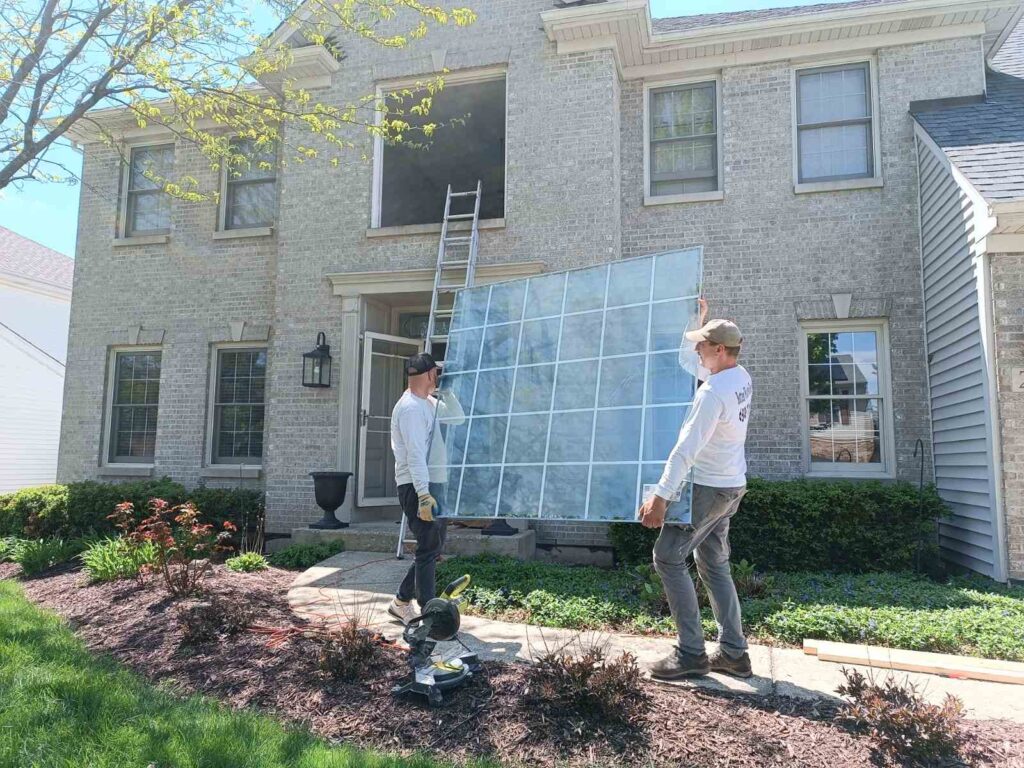
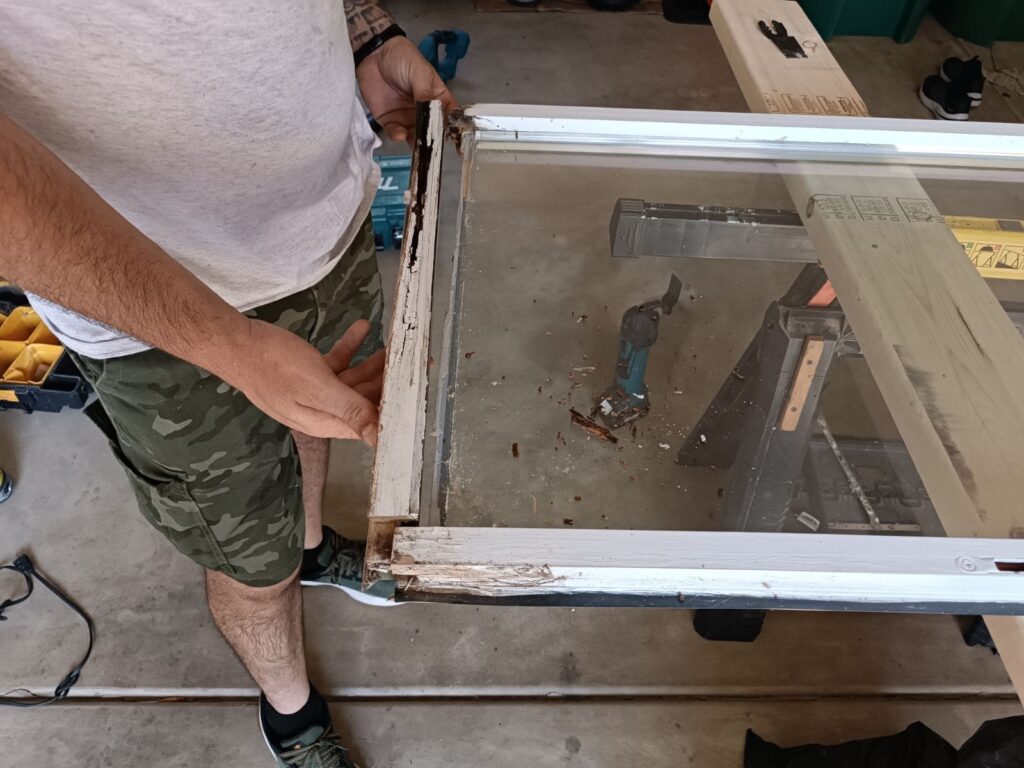
The city’s historical roots are vividly preserved in attractions like Naper Settlement, a 12-acre outdoor museum that transports visitors back to the 19th century. This living history site features over 30 authentic structures, including the elegant Martin Mitchell Mansion—a Victorian gem built in 1883 and listed on the National Register of Historic Places—a one-room schoolhouse, a blacksmith shop, a chapel, and a fort. Donated by Caroline Martin Mitchell in 1936, the property serves as an educational hub with interactive exhibits, costumed interpreters, and events that highlight pioneer life, from farming to early industry. Maintaining these wooden buildings often requires specialized care, such as wooden window repair to restore aging frames, wooden sash window repair for functional sashes, and wooden window frame rot to combat decay from moisture and time. Such preservation efforts ensure these treasures endure for future generations.
Downtown, the Naperville Riverwalk is a crown jewel, often called the “Crown Jewel of Naperville.” This scenic 1.75-mile pathway along the DuPage River, developed in 1981 to commemorate the city’s sesquicentennial, boasts winding brick paths, fountains, bridges, and lush gardens. Highlights include the Dandelion Fountain, paddleboat rentals, and outdoor concerts. Nearby, the Millennium Carillon in Moser Tower chimes melodiously from its 72 bells, offering panoramic views from the 160-foot structure. Climb the 253 steps for a bird’s-eye vista of the cityscape. The Naperville Historic District, encompassing charming Victorian and Queen Anne-style homes, invites leisurely strolls, while Centennial Beach—a historic quarry-turned-swimming hole since 1931—provides summer fun with sandy shores, slides, and zero-depth entry.
Other must-sees include the DuPage Children’s Museum, an interactive wonderland fostering creativity through hands-on science and art exhibits, and Knoch Knolls Nature Center, where trails wind through prairies and woods for hiking and wildlife spotting. The Century Walk public art initiative dots the city with murals and sculptures depicting local history. For spiritual seekers, the ISKCON Naperville Temple offers serene Hindu architecture and cultural programs. Naperville’s blend of past and present, from its pioneer origins to contemporary allure, makes it a captivating destination for history buffs and families alike.
How we work

Inspection

Diagnosis

Repair

Warranty
Contact Us
Professional window repair, restoration & replacement in Geneva
Reviews of our Services


Lucie Ziebicki
I am so impressed with the team that came to replace my window. Not only was the workmanship superb—leaving me with what looks like a brand-new window—but the two gentlemen were incredibly polite and respectful. They even took off their shoes without me asking, which shows a real respect for your client's home. A fantastic experience all around!
21 October, 2025
Chicago
Bob Browne
Window Quality Works has been our trusted partner for three separate projects over the years. Simply put, they do amazing work. They've restored a variety of our wooden windows to look and function like new, and now they stand strong against Chicago's tough weather. Beyond the impeccable quality, they are a pleasure to work with—excellent communicators, efficient, and they always leave the workspace spotless. You can't ask for more.
18 September, 2011
Chicago
Lia Sampara
I had a couple of wooden windows with significant rot damage. WindowQW provided a fast estimate and then performed a beautiful restoration and repair. The results speak for themselves—I'm very satisfied with how they turned out!
15 September, 2025
Nappervile
Erika Zubkovska
I had a serious issue with rotted wooden sashes and sills. The team replaced them with new ones, and then carefully sealed and painted everything to ensure long-lasting durability. The pricing was reasonable, the estimate was fast, and the service was highly effective. They truly did an amazing job and gave me complete peace of mind!
29 August, 2020
Aurora
Chris McGrath
These guys were a lifesaver when we needed to get our windows fixed quickly before selling our house. They responded immediately, came out, and fixed everything in just one day. The price was more than reasonable for such prompt and quality service. Thanks again for your help!
8 August, 2025
Plainfield
Diego E
I contacted them for an estimate on my historic wooden windows, and the results exceeded all expectations. They didn't just give me a quote; they conducted a meticulous assessment of each window and offered thoughtful solutions. The care they took in restoring the sashes and sills was evident. My windows now operate smoothly and look beautiful. It's refreshing to find a company that still takes such pride in their work.
15 July, 2025
Aurora
Anastasiia Vatsyk
My search for a reliable sash repair company ended with WindowQW. From the beginning, they were transparent, walking me through the entire process and clearly explaining what could be salvaged versus what needed replacement. True to their word, they stuck to the agreed timeline and budget. They replaced rotting sills, freed up stuck sashes, and even upgraded the old ropes and pulleys. I'm thoroughly impressed and highly recommend them!
8 July, 2025
Nappervile
David Langowski
They See What Others Miss. Trustworthy and Skilled.
We had a few Pella windows with bad rot. The team didn't just fix what we pointed out; they did a full inspection and identified a couple of other issues we had missed. This is the second time we've used them, and once again, they did a fantastic job. They are highly recommended for their honesty and expertise.
26 July, 2025
St. Charles
Paul Wysh
I hired Window Quality Works to handle window replacements and rot repair on two of my Chicagoland properties. They did a thorough and efficient job, working quickly without sacrificing quality. I was very satisfied with their work and will highly recommend them to other property owners. I look forward to working with them again in the future.
6 May, 2025
Joliet