
When it’s time to replace your windows, the choice between materials can feel overwhelming. While wood is a classic, fiberglass and vinyl have become the top contenders for homeowners seeking performance and value. This isn’t just about looks—it’s about how your windows will perform for decades. Let’s break down the key differences to help you decide.
Built to Last: A Battle of Strength
The core strength of your window frames dictates their lifespan and stability.
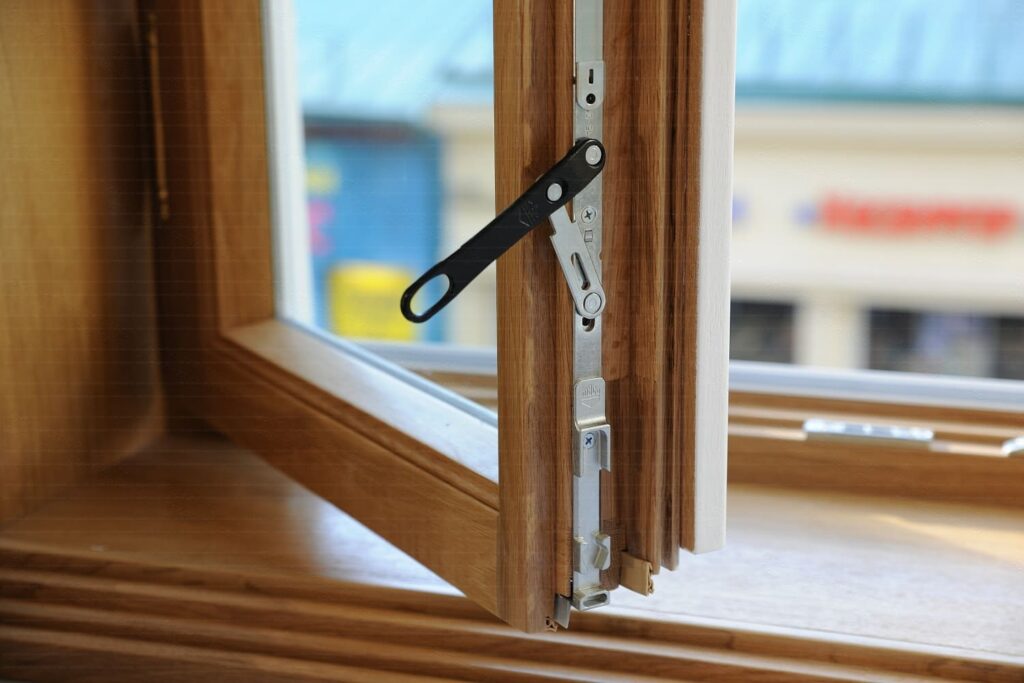
The Fiberglass Advantage: Think of fiberglass as the champion of durability. Its unique composition, reinforced with tiny glass strands, creates a material that’s significantly stronger than vinyl. This means fiberglass frames are incredibly resistant to warping, sagging, and the physical stresses caused by a settling house or harsh weather. This superior strength allows for sleeker, thinner frame designs that maximize your view and flood your rooms with natural light.
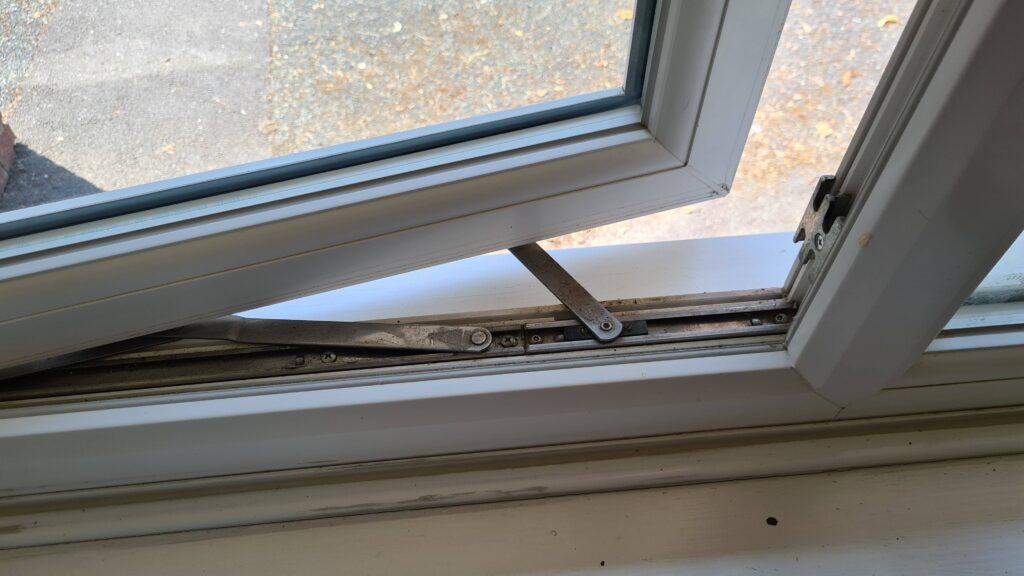
The Vinyl Reality: Don’t underestimate vinyl—it’s a solid, durable material for everyday use. However, its limitations become apparent under extreme pressure. Intense heat or a shifting foundation can cause vinyl frames to distort over time, which may lead to operational problems and broken seals.
Sealing the Deal: Energy Efficiency Compared
Your windows are a major factor in your home’s energy bills. The frame itself is a key part of the insulating system.
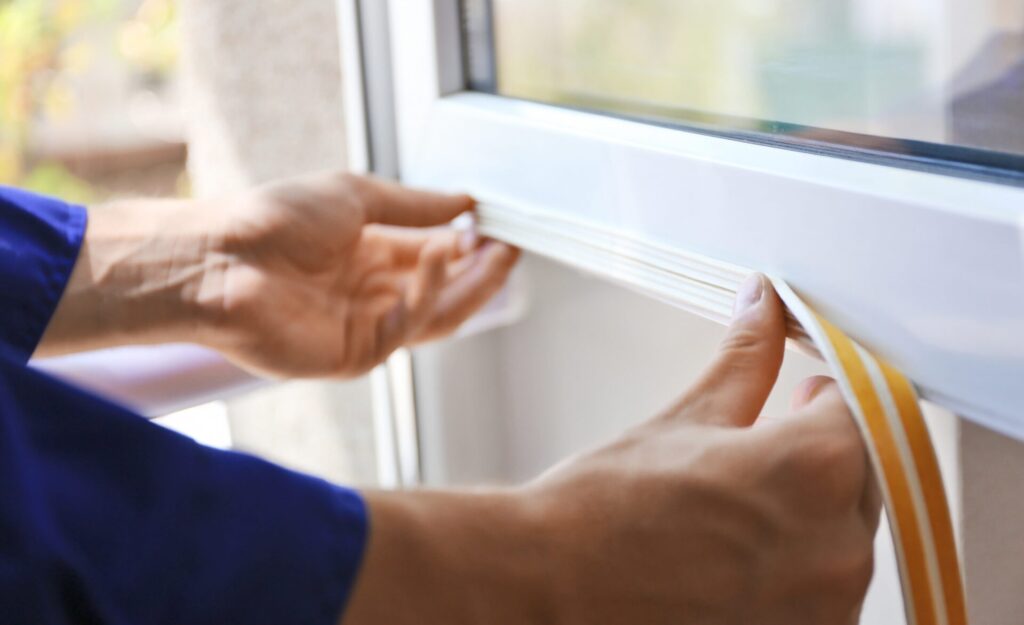
Why Fiberglass Excels: Fiberglass is a natural insulator, but its secret weapon is its thermal stability. It expands and contracts at nearly the same rate as the glass in the pane. This “thermal harmony” prevents stress on the seals, drastically reducing the risk of air leaks and failed insulated glass units. The result is consistent, top-tier energy performance year after year, making it a smart choice for any climate.
Understanding Vinyl’s Limits: Vinyl is a good insulator and doesn’t conduct heat. The challenge is that vinyl and glass react differently to temperature swings. This mismatch in expansion rates can, over many years, weaken the seals, potentially leading to drafts and a slight drop in efficiency.
Weathering the Elements: Maintenance and Longevity
Consider how much upkeep you’re willing to do and how the windows will look in 15 years.
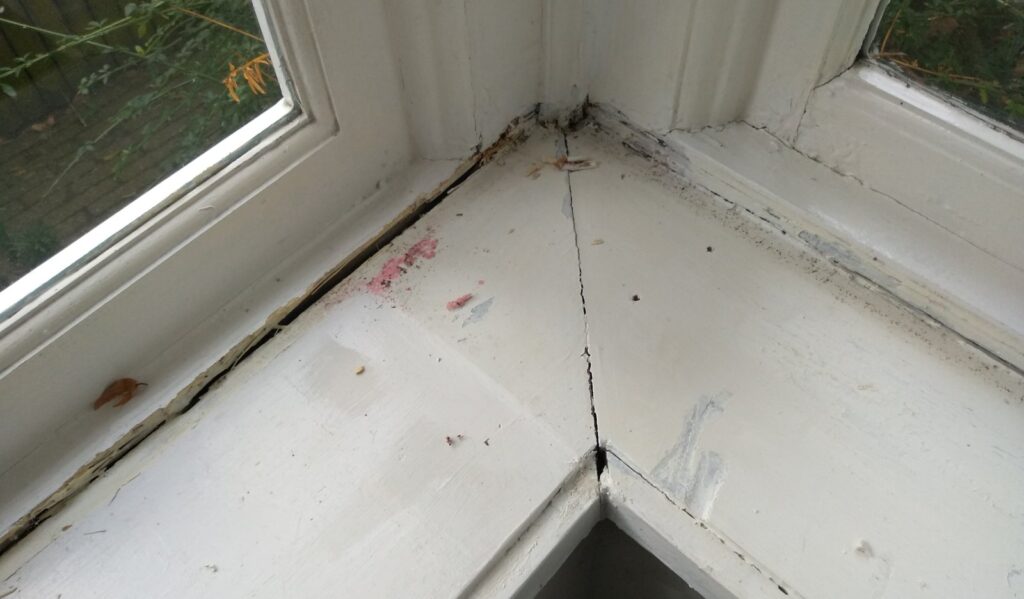
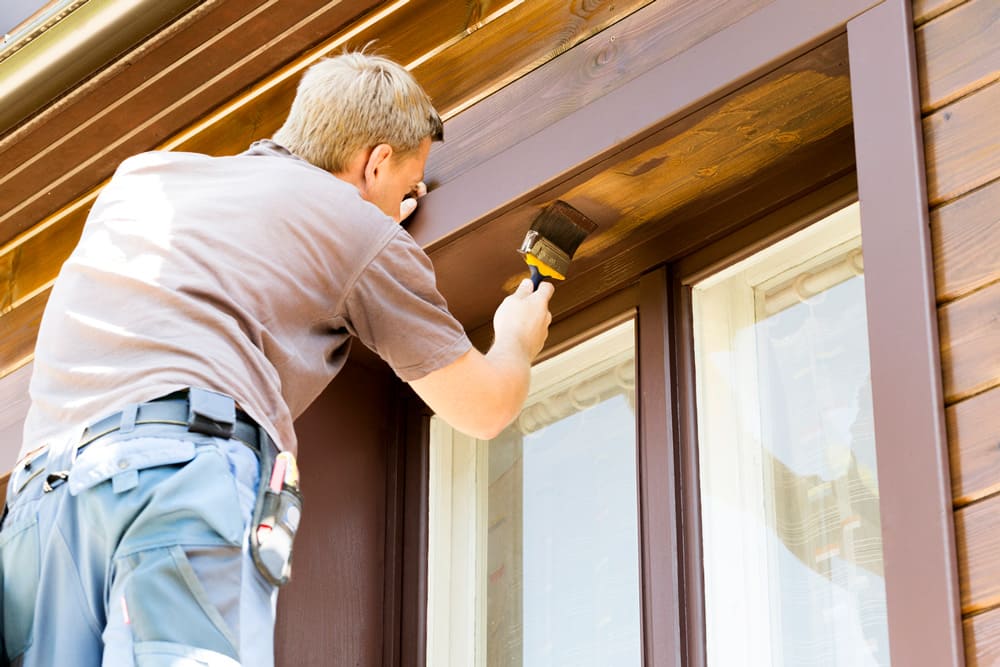
Fiberglass Fortitude: Fiberglass is virtually impervious to environmental damage. It won’t rot, corrode, or be weakened by sun exposure. Its factory-applied paint finish is tough and, importantly, can be repainted later if you want to update your home’s color. This flexibility allows you to refresh your look without voiding the warranty.
Vinyl Considerations: Vinyl is famously low-maintenance, needing only occasional cleaning. However, its Achilles’ heel is the sun. Prolonged UV exposure can cause vinyl to fade or become brittle over a long period. Crucially, you cannot paint vinyl windows. The color is baked in, and painting them will cause issues and void the manufacturer’s warranty, locking you into your original color choice.
Beauty and Customization: Matching Your Home’s Style
Your windows should enhance your home’s curb appeal.
Fiberglass Flexibility: If design freedom is important, fiberglass is the winner. It can be manufactured in an almost limitless palette of colors and realistic wood-grain textures. This allows for perfect customization, whether your home is a historic Victorian or a modern farmhouse.
Vinyl’s Limited Palette: Vinyl windows are predominantly available in standard colors like white, beige, and tan. While some manufacturers offer a few additional options, the selection is far more limited than with fiberglass. The inability to repaint them means your initial color choice is permanent.
Making the Smart Investment: Cost vs. Value
The right choice balances your immediate budget with long-term value.
Fiberglass: The Long-Term Investment: You will pay more upfront for fiberglass windows. View this as an investment in decades of superior performance, minimal maintenance, and optimal energy savings. For many, the long-term benefits justify the initial cost.
Vinyl: The Budget-Friendly Workhorse: Vinyl remains the most cost-effective option for quality replacement windows. It provides excellent value, reliable performance, and a major upgrade from old, inefficient windows without a high initial investment.
The Bottom Line: Which One is Your Perfect Match?
Choose FIBERGLASS if: You want the maximum in durability, energy efficiency, and design flexibility. You see your windows as a long-term investment and are willing to pay more for top-tier performance and the option to change colors later.
Choose VINYL if: You need a reliable, high-value window that offers great efficiency and requires almost no maintenance. You are comfortable with standard color options and want the best performance for your budget.