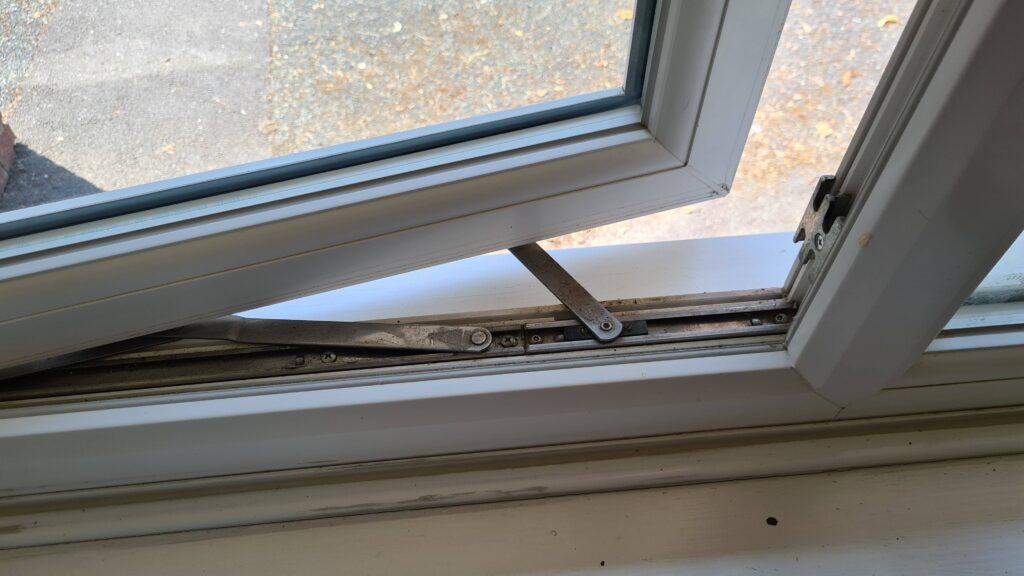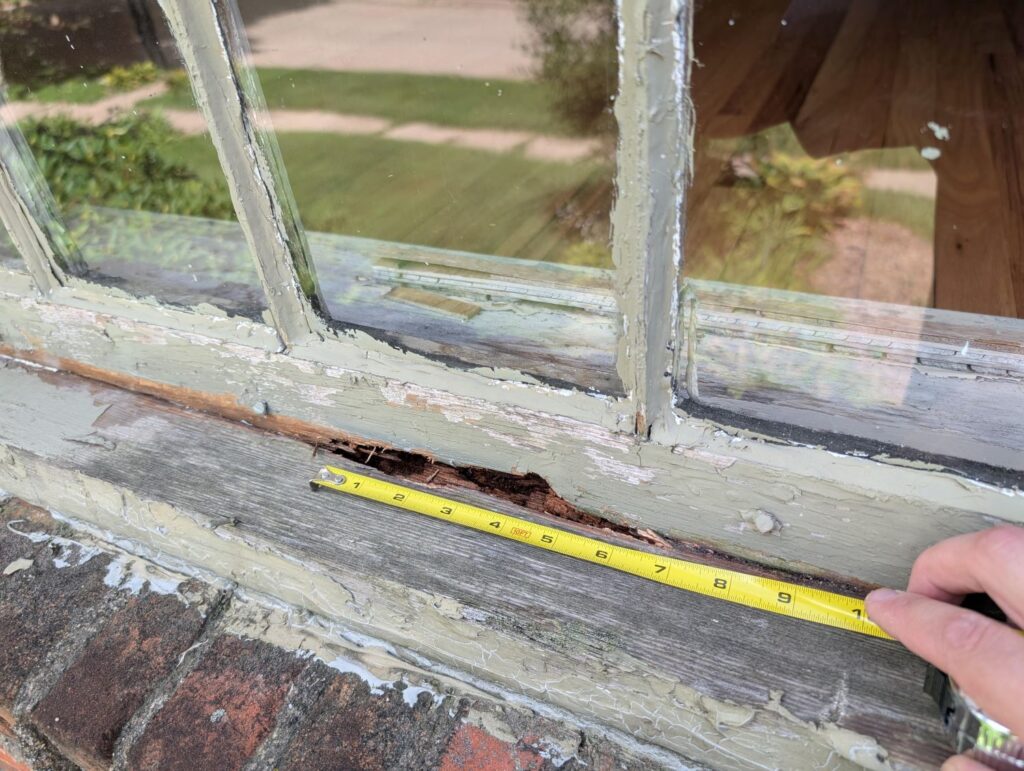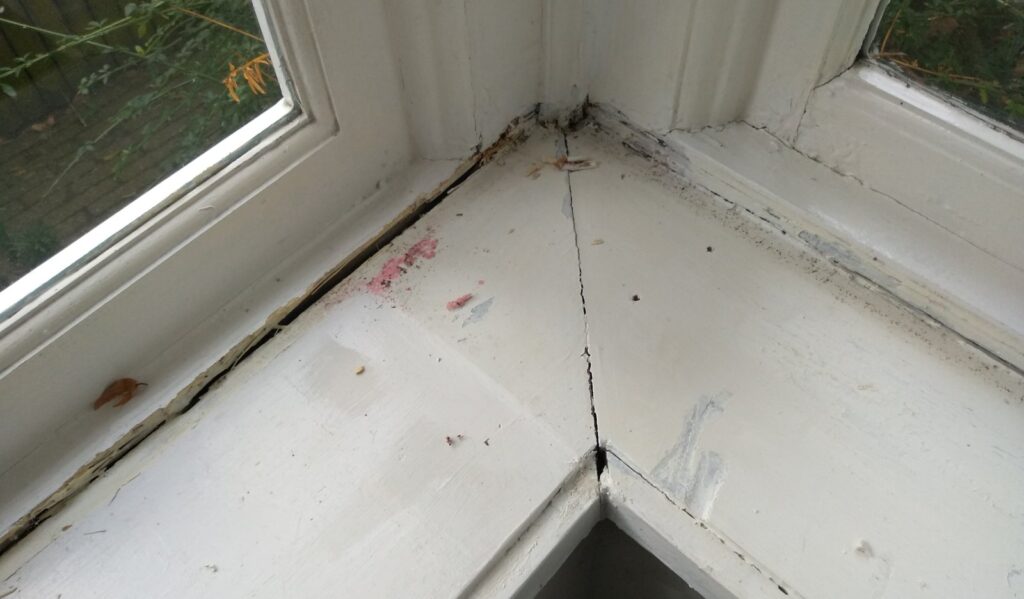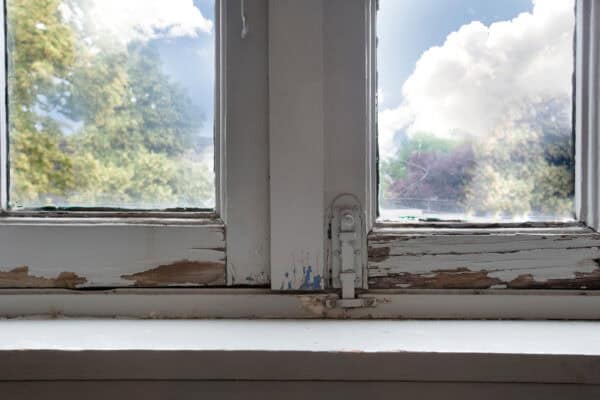

That once-beautiful window sill now shows signs of trouble – maybe some paint bubbles, a soft spot, or worse, visible decay. What happened? Window sills, while sturdy, face a constant battle against elements that can lead to their deterioration. Understanding why they rot is the first step in protecting your home from this common issue.
The Anatomy of a Window Sill: More Than Just a Shelf
Before we dive into the causes, it helps to understand what your window sill is up against. Positioned at the bottom of the window frame, the sill acts as both a decorative element and a critical drainage system. Its job is to catch rainwater and direct it away from your home’s interior. When this system fails, trouble begins.
The Four Major Enemies of Your Window Sills
1. Moisture: The Silent Destroyer
Water is public enemy number one for window sills. Whether from driving rain, condensation, or sprinkler overspray, moisture constantly attacks the wood. The problem isn’t just surface water – it’s the water that seeps into tiny cracks and remains trapped there. This trapped moisture creates the perfect environment for wood-eating fungi to thrive, leading to the soft, spongy texture we recognize as rot.
2. The Slope Factor: When Water Can’t Escape
A properly installed window sill isn’t flat – it’s angled slightly downward (what contractors call “sloped”). This subtle angle is crucial because it acts like a miniature waterslide, guiding rainwater away from your home. When this slope is too flat or (even worse) slopes backward toward your house, water pools on the surface. This standing water eventually finds its way into the wood grain, accelerating decay from the inside out.
3. Installation Errors: The Hidden Time Bombs
Even the highest-quality window sill will fail if installed incorrectly. Common installation mistakes include:
Inadequate flashing that allows water to seep behind the sill
Improper sealing around edges and joints
Missing or deteriorated caulking that creates entry points for moisture
Insufficient priming on the underside and ends of the wood
These installation flaws might not be visible to the untrained eye, but they create pathways for water intrusion that can cause extensive damage over time.
4. Unwanted Guests: Insects and Pests
Wood-boring insects like carpenter ants and termites are attracted to moist wood. They don’t just live in rotting sills – they accelerate the decay by creating tunnels and galleries that allow even more moisture to penetrate deep into the wood. What starts as a small area of moisture damage can quickly become a full-blown infestation that compromises the entire window structure.
Prevention: Your Best Defense Against Rot
The good news is that most window sill rot is preventable with these proactive steps:
Regular Maintenance Checklist:
Inspect seals and caulking each season – recaulk at first signs of cracking
Keep the slope clear of dirt, leaves, and debris that can trap moisture
Check paint condition annually – touch up any chips or bubbles immediately
Ensure proper drainage by cleaning weep holes and drainage channels
Use a moisture meter to detect hidden water damage before it becomes visible
When Placing Items on Sills:
While it’s tempting to use window sills as display space, be mindful of what you place there. Potted plants are particularly problematic because:
They trap moisture against the wood surface
Water from drainage holes constantly wets the sill
Their weight can stress the sill over time
Spotting Trouble Early: Warning Signs Every Homeowner Should Know
Catch rot early, and you save money on repairs. Look for these red flags:
Paint that bubbles or peels without obvious cause
Soft spots that give when pressed with a fingernail
Visible dark spots or discoloration in the wood grain
Musty, damp smells near windows
Difficulty opening or closing windows (can indicate structural damage)
When Repair Becomes Necessary: Don’t Wait!
If you notice any signs of rot, immediate action can prevent the damage from spreading to your wall framing and interior surfaces. Professional repair typically involves:
Assessment of the full extent of damage
Precise removal of only the compromised wood
Custom fabrication of replacement pieces
Expert installation with proper sealing and weatherproofing
Seamless finishing that matches your existing trim
Serving Oak Lawn Homeowners
At the first sign of window sill trouble, don’t hesitate to contact our specialized repair team. We serve Oak Lawn and surrounding communities with expert rot repair services that preserve your home’s beauty and structural integrity. Our proven process addresses not just the visible damage but the underlying causes to ensure the rot doesn’t return.
Contact us today for a comprehensive evaluation of your window sills. We’ll provide honest recommendations and expert solutions to protect your home from further damage.