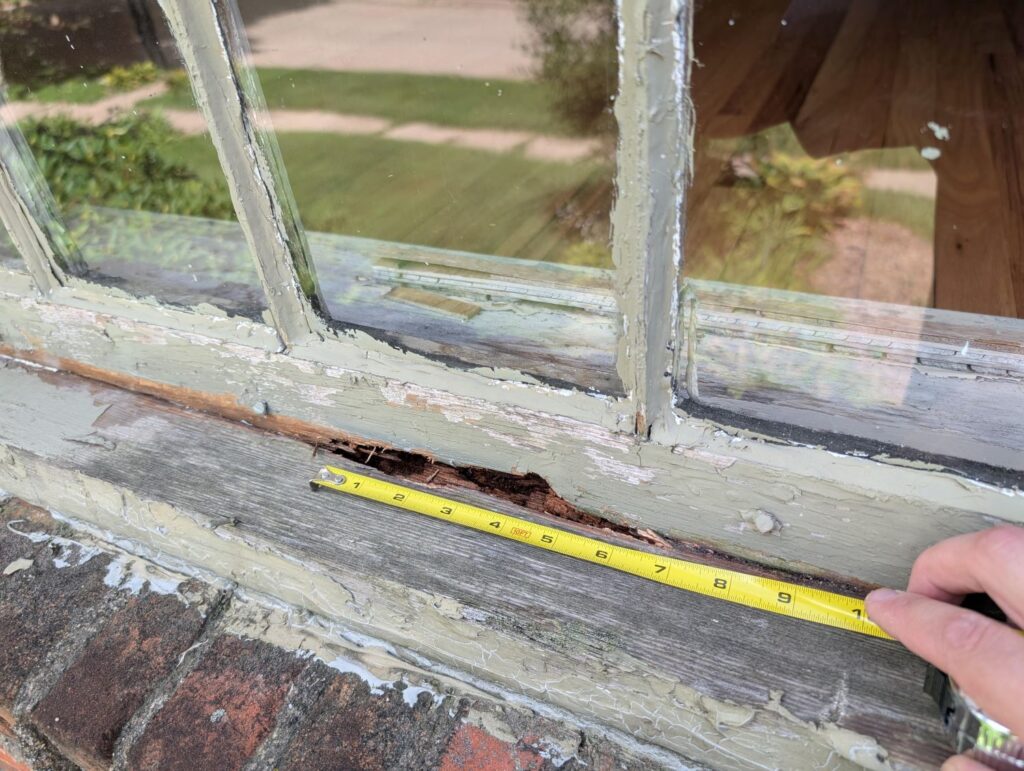
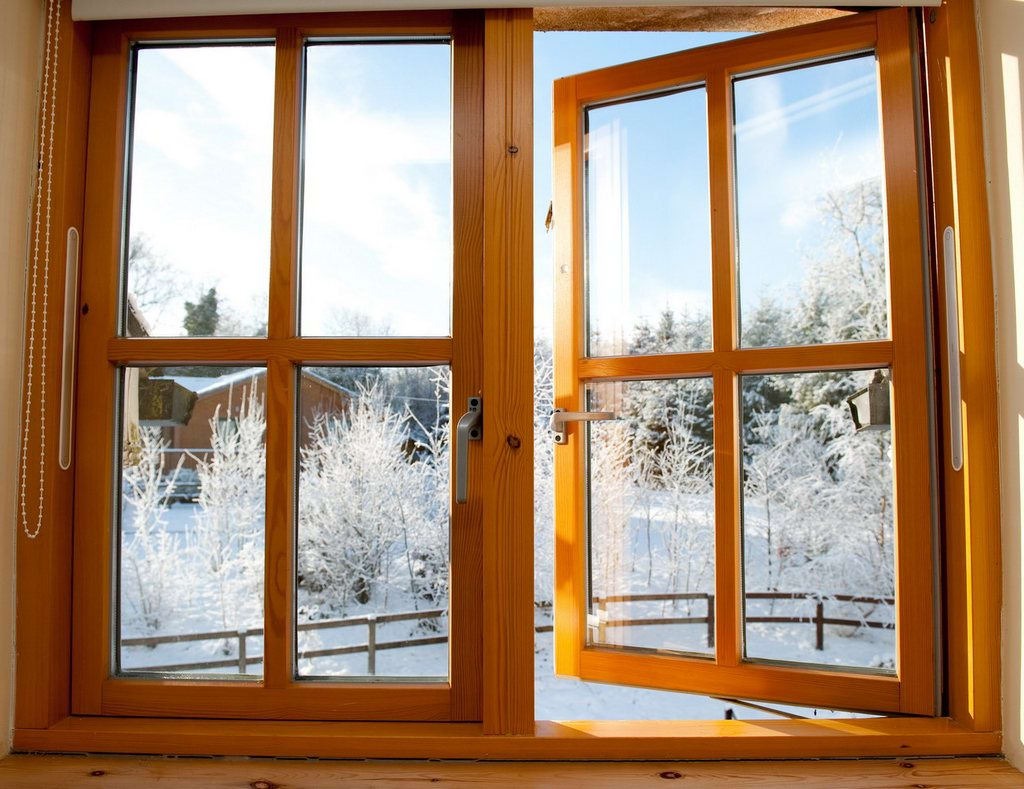
That stubborn window that suddenly won’t close properly, or a patch of paint that always seems bubbly—these are often the first clues to a common homeowner headache: a rotting window sash. As the movable part of the window that holds the glass, the sash is on the front lines, constantly battling the elements. But why does it seem to succumb to rot so easily?
The answer lies in a perfect storm of location, material, and maintenance. Understanding these factors is the first step to protecting your windows and your home.
The #1 Culprit: Moisture Mayhem
A window sash is essentially a moisture magnet. Its design and position create several traps where water can linger and do its destructive work.
The Bottom Rail Trap: The bottom horizontal piece of the sash is the most common rot spot. Rain hits it directly, and condensation from the glass often runs down and pools there. Without a way to quickly evaporate, this moisture soaks into the wood fibers.
The Condensation Cycle: Even without rain, your window creates moisture. On cold days, warm, humid indoor air hits the cold glass, forming condensation. This water drips onto the sash, keeping it damp. In freezing weather, this water can freeze and expand within the wood, creating tiny cracks that let even more water in.
Failed Protective Coatings: When the paint or stain on your sash chips or cracks, it’s like taking off its raincoat. Bare wood is highly absorbent, allowing moisture to wick in quickly and deeply, leading to internal rot that you might not see until it’s severe.
The Material Problem: Not All Wood is Created Equal
The quality of the wood your sash is made from plays a huge role in its lifespan.
Modern vs. Old-Growth Wood: Many newer windows use wood that grows quickly, making it less dense and more porous. This “young” wood absorbs moisture much more readily than the dense, tight-grained old-growth lumber used in historical windows.
End-Grain Exposure: The ends of wood are like straws, soaking up water many times faster than the side grain. On a window sash, the joints where pieces connect often expose this vulnerable end grain, creating a direct path for moisture into the heart of the wood.
The Wrong Wood for the Job: While some woods like cedar, redwood, and properly treated pine are naturally rot-resistant, others are not. Using an unsuitable wood type in a high-moisture environment is a recipe for decay.
The Age and Wear Factor
Time takes its toll on every part of your home, and window sashes are no exception.
Deteriorating Glazing Putty: The putty that seals the glass into the sash dries out, cracks, and falls away over the years. This creates gaps that allow water to seep behind the glass and directly into the wood.
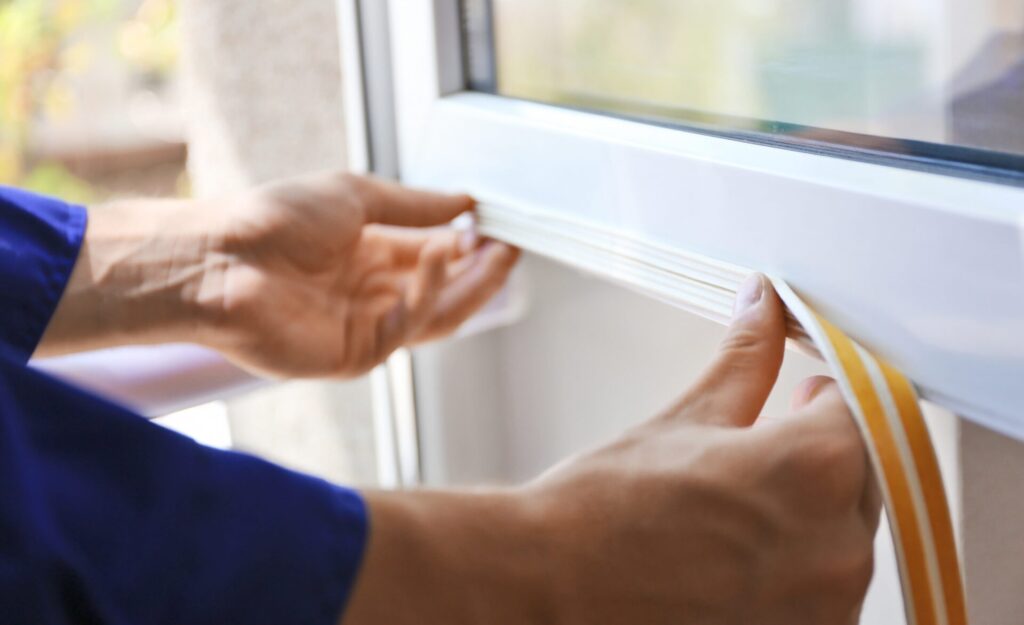
Worn Weatherstripping: As seals age, they crack and shrink. This not only causes drafts but can also create tiny channels that direct water onto the sash instead of safely away from it.
Natural Settlement: As a house settles, a window frame can shift slightly. This can change the way the sash fits, potentially creating new spots where water can collect or preventing it from draining properly.
How to Protect Your Window Sashes from Rot
Prevention is always cheaper than repair. Here’s how to fight back:
Regular Inspections: Twice a year, run your finger along the bottom rail of your sashes. Feel for softness or sponginess. Look for bubbling or cracked paint.
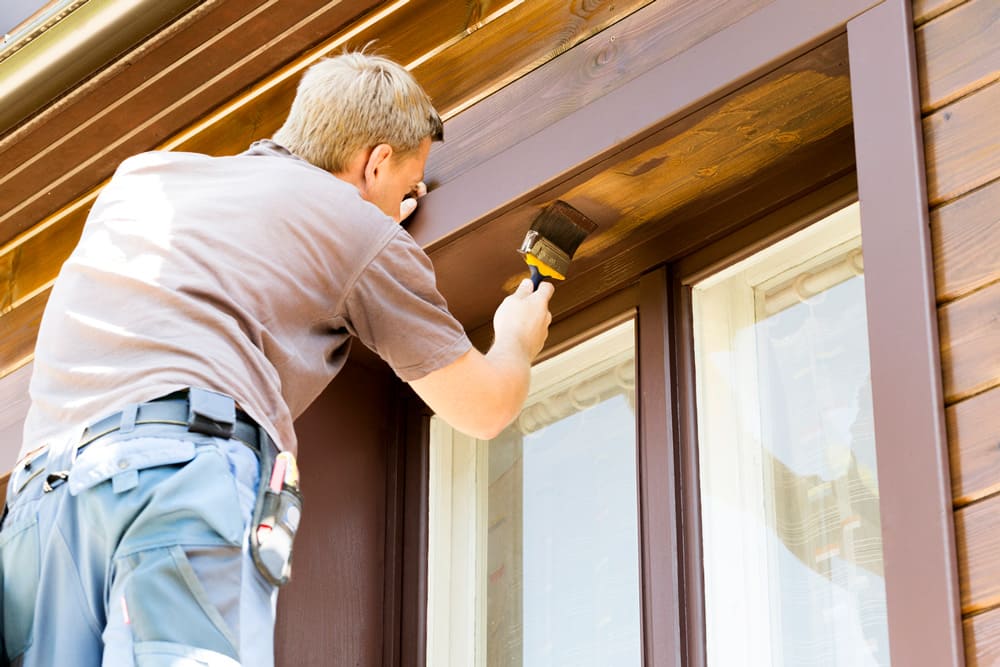
Keep Paint Fresh: Think of paint as your sash’s essential armor. Address chips and cracks immediately by scraping, sanding, priming (this is crucial!), and repainting.
Maintain the Seals: Check the glazing putty and weatherstripping annually. Re-caulk or re-glaze as needed to keep everything watertight.
Ensure Proper Drainage: Make sure the weep holes (small slots at the bottom of the exterior window frame) are clear of dirt and paint so any water that gets in has a way to get out.
When Rot Strikes: Don’t Panic, Repair!
Finding rot doesn’t automatically mean you need a whole new window. In most cases, a professional can perform what’s called a “dutchman repair.” This involves skillfully cutting out the rotted section and splicing in a new, custom-fit piece of rot-resistant wood. This technique saves the majority of the original window, is incredibly durable, and is far more cost-effective than full replacement.
If you’re in Wheaton and spot the tell-tale signs of a rotting sash—peeling paint, soft wood, or discoloration—don’t wait for it to get worse. Contact us for a professional assessment. Our expert rotted window sash repair can restore the strength and beauty of your window, protecting your home for years to come.